

Driving Without Insurance: Avoid Lapses in Coverage for Lower Rates
About 12.6% of drivers in the U.S. are uninsured. If you don’t have car insurance, you can face serious penalties. Driving without insurance may even end up costing you more money. Finding the best car insurance policy means avoiding penalties. Car insurance minimums vary by state.
Read more





Table of Contents
Table of Contents

Licensed Insurance Agent
Brad Larson has been in the insurance industry for over 16 years. He specializes in helping clients navigate the claims process, with a particular emphasis on coverage analysis. He received his bachelor’s degree from the University of Utah in Political Science. He also holds an Associate in Claims (AIC) and Associate in General Insurance (AINS) designations, as well as a Utah Property and Casual...
Brad Larson

Licensed Insurance Agent
Michelle Robbins has been a licensed insurance agent for over 13 years. Her career began in the real estate industry, supporting local realtors with title Insurance. After several years, Michelle shifted to real estate home warranty insurance, where she managed a territory of over 100 miles of real estate professionals. Later, Agent Robbins obtained more licensing and experience serving families a...
Michelle Robbins
Updated May 2024
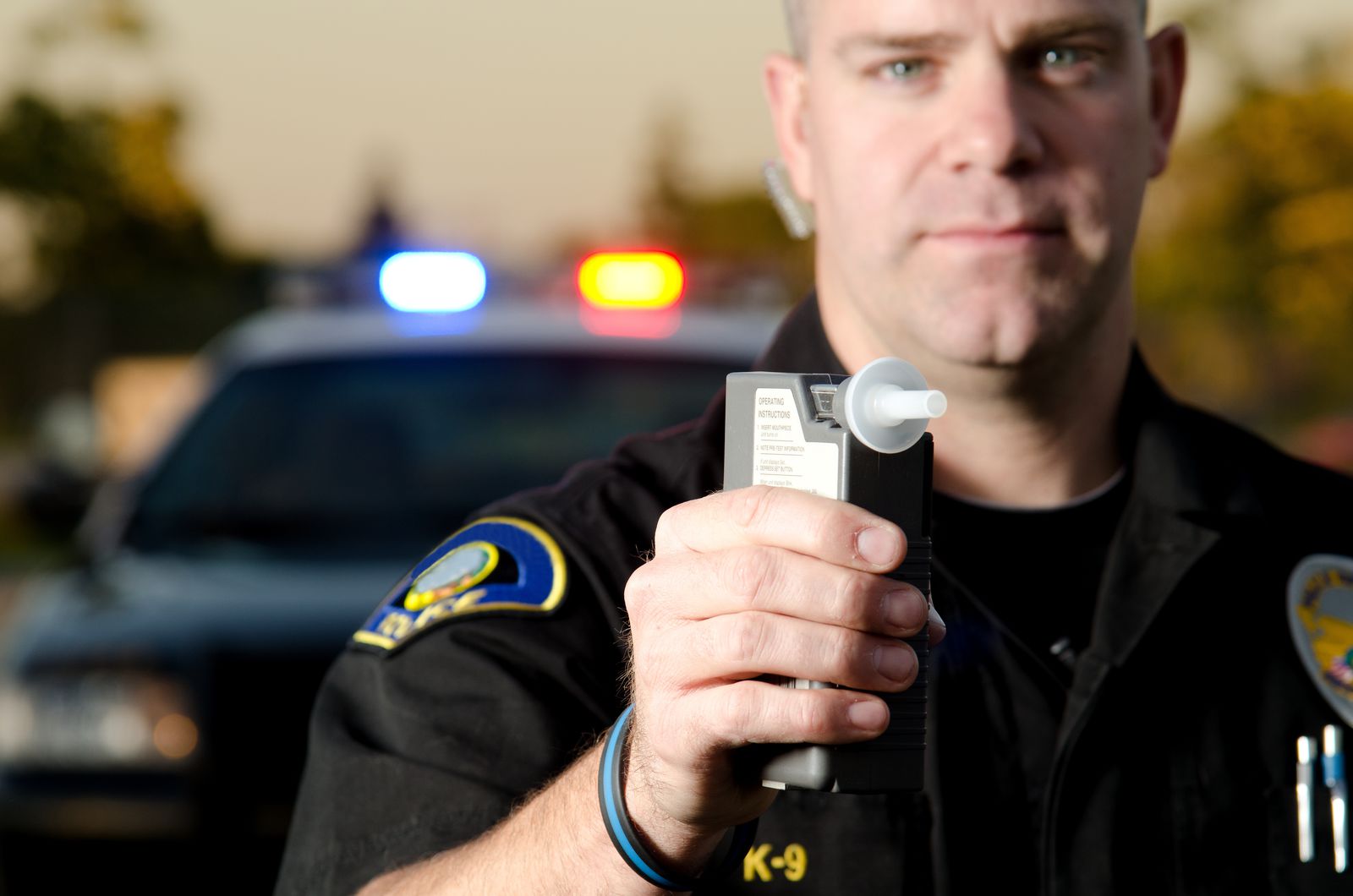
When you are driving without car insurance, you are violating state laws in most states. These laws exist for several reasons — to protect other drivers on the road and ensure that you are financially responsible for any damages you may cause.
So what happens if you are caught driving without insurance? In this article, we’ll look at the possible penalties you may face if found driving without insurance and tips to help ensure you always have insurance on your vehicle.
Consequences of Driving Without Insurance
According to the Insurance Information Institute (III), about 12.6% of drivers in the U.S. are uninsured. The number translates to about one in every eight drivers on the road.
- Uninsured Drivers and the Law
- Can you tow a car that doesn’t have insurance?
- What is the penalty for driving without insurance in Washington?
- What is the penalty for driving without insurance in New Mexico?
- What is the penalty for driving without insurance in West Virginia?
- What is the penalty for driving without insurance in Oklahoma?
- What is the penalty for driving without insurance in North Carolina?
- What is the penalty for driving without insurance in Nevada?
- What is the penalty for driving without insurance in Montana?
- What is the penalty for driving without insurance in Mississippi?
- What is the penalty for driving without insurance in Louisiana?
- What is the penalty for driving without insurance in Kentucky?
- What is the penalty for driving without insurance in Hawaii?
- Can you get your car out of impound without having insurance?
- How long can I drive my new car without insurance? [Expert Advice]
- Is it illegal to own a vehicle without insurance?
- Can my car be impounded for not having insurance?
- How do you test drive a car without insurance?
This is not only against the law but also incredibly dangerous. Uninsured drivers are more likely to cause accidents and less likely to be able to pay for damages caused. Driving without insurance can result in penalties.
Read more:
- Can my car be impounded for not having insurance?
- Is it illegal to own a vehicle without insurance?
- How do you test drive a car without insurance?
Legal Consequences
Legal consequences depend on your state’s laws and the details of your situation. However, some of the potential penalties may include the following:
Fines
The amount of the fine can vary depending on your state’s laws. For instance, the maximum penalty for driving without insurance in Washington is up to $550. Depending on where you live, you may also have to pay a civil penalty and a fine.
Learn what is the penalty for driving without insurance in Washington?
License Suspension or Revocation
Some states may suspend your driver’s license for a certain period as a penalty for driving without insurance. The duration of the suspension or revocation may vary based on several factors, including whether you have prior violations and whether any accidents occurred.
Jail Time
You may also face jail time if your case goes to court. The exact penalty will depend on the state’s laws. Driving without a license is a misdemeanor offense in most states. Therefore, even if you are not arrested, the police may still file a case against you in court.
Vehicle Impoundment
If you drive without insurance, the police can impound your vehicle and charge you a substantial fee to get it back. The actual amount varies depending on the specific situation and where you live, but it can be significant. For example, you may face a $2000 fee for impounding your vehicle in Chicago. (For more information, read our “Can you get your car out of impound without having insurance?“).
Community Service
You may sometimes be required to complete community service as a penalty for driving without insurance. But, again, the exact requirements will depend on your state.
Demerit Points
Some states also assign demerit points to your driving record. Demerit points can result in higher insurance premiums, suspension of your driving privileges, and even a court hearing.
Financial Consequences
In many cases, driving without insurance can also have financial consequences. Some common financial penalties that you may face include the following:
Higher Insurance Rates for Several Years After Your Offense
Depending on your violation’s severity, your insurance company may increase your rates for several years after the offense. For example, if you are found at fault in an accident, your rates may increase dramatically over several years.
Repair Bills
If you have an accident while driving without insurance, you will be liable for any repair bills that result from the accident. You may also be liable if the accident injures other drivers or passengers.
Medical Bills
According to the Insurance Information Institute, one driver with no car insurance is involved in an accident every 18 minutes. In such an accident, you may be responsible for paying for any medical bills resulting from the accident. The average cost of an accident-related hospital stay is over $15,000.
Free Insurance Comparison
Compare Quotes From Top Companies and Save
Examples of State Penalties for Driving Without Insurance
Here are a few examples of state-specific penalties for driving without insurance:
Driving Without Car Insurance: 1st Offense Penalties by State
State Penalty
Alabama Fine: Up to $500; registration suspension with $200 reinstatement fee
Alaska License suspension for 90 days
Arizona Fine: $500 (or more); license/registration/license plate suspension for three months
Arkansas Fine: $50 to $250; suspended registration/no plates until proof of coverage plus $20 reinstatement fee; court may order impoundment
California Fine: $100-$200 plus penalty assessments. Court may order impoundment
Colorado Fine: $500 minimum fine; 4 points against your license; license suspension until you can show proof to the DMV that you are insured. Courts may add up to 40 hours community service
Connecticut Fine: $100-$1000; suspended registration/license for one month (show proof of insurance) with $175 reinstatement fee
Delaware Fine: $1500 minimum fine; license/privilege suspension for six months
Florida Suspension of license and registration until reinstatement fee is paid and non-cancelable coverage is secured; $150 fee for first reinstatement
Georgia Suspended registration with $25 lapse fee and $60 reinstatement fee. Pay any other registration fees and vehicle ad valorem taxes due
Hawaii Fine: $500 fine or community service granted by judge. Either license suspension for three months or a required nonrefundable insurance policy in force for six months
Idaho Fine: $75; license suspension until financial proof. No reinstatement fee.
Illinois Fine: minimum of $500; License plate suspension until $100 reinstatement fee and insurance proof
Indiana License/registration suspension for 90 days to one year
Iowa Fine: $500 if in accident; Otherwise, fine: $250; community service in lieu of fine. Possible citation/warning if pulled over plus removal of plates and registration possible when pulled over without insurance and reissued upon payment of fine or completed community service, proof of insurance, and $15 fee; possible impoundment when pulled over
Kansas Fine: $300 to $1000 and/or confinement in jail up to six months; license/registration suspension; reinstatement fee: $100
Kentucky Fine: $500 to $1000 fine and/or sentenced up to 90 days in jail; license plates and registration revoked for one year or until proof of insurance is shown
Louisiana Fine: $500 to $1000; If in car accident, fine plus registration revoked and driving privileges suspended for 180 days
Maine Fine: $100 to $500; suspension of license and registration until proof of insurance
Maryland Lose license plates and vehicle registration privileges; pay uninsured motorist penalty fees for each lapse of insurance — $150 for the first 30 days, $7 for each day thereafter; Pay a restoration fee of up to $25 for a vehicle's registration
Massachusetts Fine: $500 to $5000 fine and/or imprisonment for one year or less
Michigan Fine: $200 to $500 fine and/or imprisonment for one year or less; license suspension for 30 days or until proof of insurance; $25 service fee to Secretary of State
Minnesota Fine: $200 to $1000 (or community service) and/or imprisonment for up to 90 days; License and registration revoked for no more than 12 months
Mississippi Fine: $1000; driving privileges suspended for one year or until proof of insurance
Missouri Four points against driving record; driver may be supervised; suspended until proof of insurance with $20 reinstatement fee
Montana Fine: $250 to $500 fine and/or imprisonment for no more than 10 days
Nebraska License and registration suspension; reinstatement fee of $50 for each; proof of insurance to remain on file for three years
Nevada Fine: $250 to $1,000 depending on length of lapse; registration suspension — until payment of reinstatement fee and, depending on circumstances, an SR-22 (proof of financial responsiblity) if lapsed more than 90 days; reinstatement fee: $250
New Hampshire Not a mandatory insurance state. Proof of insurance may be required as the result of a conviction, crash involvement, or administrative action. If you are required to file proof of insurance and vehicles are registered in your name, you will be required to file an Owner’s SR-22 Certificate of Insurance.
New Jersey Fine: $300 to $1000; license suspension for one year; pay surcharges for three years in the amount of $250 per year
New Mexico Fine: up to $300 and/or imprisoned for 90 days; license suspension
New York Fine: up to $1500 if involved in accident plus $750 civil penalty; license and registration suspension – revoked for one year; suspension of license if without
insurance for 90 days; suspension lasts as long as registration suspension; Suspension of registration: equal to time without insurance or pays $8/day up to thirty days for which financial security was not in effect, $10/day from the thirty-first to the sixtieth day $12/day from the sixtieth to the ninetieth day and proof of security is provided. Or for the same time as the vehicle was operated without insurance.
North Carolina Fine: $50; registration suspension until proof of financial responsibility but 30-day suspension if in car accident or knowingly driving without insurance; $50 restoration fee plus license plate fee
North Dakota Fine: up to $1500 and/or 30 days in prison; 14 points against license plus suspension; Proof of insurance must be provided for one year; license with a
notation requiring that person keep proof of liability insurance on file with the department. The fee for this license is $50, and the fee to remove
this notation is $50.
Ohio License/plates/registration suspension until requirements are met and $100 reinstatement fee is paid; maintain special high-risk coverage on file with the BMV for three to five years; If involved in accident without insurance: all above penalties and a security suspension for two plus years and an indefinite judgment suspension (until all damages are satisfied)
Oklahoma Fine: $250; jail time up to 30 days; license suspension with $275 reinstatement fee. Police can seize license plates and assign temporary plates and liability insurance — in effect for 10 days and can also impound the vehicle. The cost of the temporary coverage is added to the administrative fee and any fines paid for plates to be returned. If car impounded, owner must also pay towing and storage fees.
Oregon Fine: $130-$1000 ($260 is the presumptive fine); If involved in accident — at least a one year license suspension; proof of financial responsibility required for three years
Pennsylvania Registration suspended for three months (unless lapse was for less than 31 days and vehicle not operated during that time); $88 restoration fee plus proof of insurance required to get it back; $500 civil penalty fee is optional in lieu of registration suspension plus $88 restoration fee — can only use this option once within a 12-month period
Rhode Island Fine: $100 to $500; license and registration suspension up to three months; reinstatement fee: $30 to $50
South Carolina Fine: $100-$200 or 30-day imprisonment; failure to surrender registration and plates when insurance lapses; license/registration suspended until proof of insurance plus $200 reinstatement fee
South Dakota Fine: $100 and/or 30 days imprisonment; license suspension for 30 days to one year; filing proof of insurance (SR-22) with the state for three years from date of conviction. Failure to file proof will result in suspension of vehicle registration, license plates, and driver license.
Tennessee Pay $25 coverage failure fee within 30 days of notice; if not paid, then an additional $100 coverage failure fee with suspension or revocation of registration plus reinstatement fee of no more than $25
Texas Fine: $175 to $350 fine; plus, pay up to a $250 surcharge every year for three years (may be reduced with certain requirements)
Utah Fine: $400; license suspension until proof of insurance (maintained for three years) and $100 reinstatement fee
Vermont Fine: up to $500; license suspended until proof of insurance
Virginia Fine: may pay $500 Uninsured Motorists Vehicle fee to drive without insurance at your own risk. If this fee is not paid in lieu of insurance, all driving and vehicle registration privileges will be suspended until a $500 statutory fee is paid, proof of insurance is filed for three years, and a reinstatement fee (if applicable) is paid
Washington Fine: Up to $250 or more
West Virginia Fine: $200 to $5000; license suspended for 30 days with reinstatement fees, unless there's proof of insurance and $200 penalty fee
Wisconsin Fine: up to $500
Wyoming Fine: up to $750 fine and up to six months in jail
Driving without insurance is not only against the law but also incredibly risky. So ensure that you are always covered by carrying adequate car insurance, and be aware of the consequences if caught driving without it.
How do police know if a car is uninsured?
There are several ways that police can determine if a car is uninsured. These may include:
- Electronic databases. When an officer runs your license plate number, it will bring up a record of your insurance status. The database will flag your car as uninsured if your insurance has lapsed or if you’ve never had insurance.
- Using an automated license plate reader (ALPR). Many police departments have installed ALPR cameras, which can scan and record the license plate numbers of passing cars. The system will flag it as uninsured if a car’s insurance status isn’t current.
- Spot checks by police officers. Police officers may pull over cars at random and ask for proof of insurance. They will likely flag your car as uninsured if you cannot provide proof.
What happens if you get in an accident without insurance?
Let’s look at the potential consequences you may face if you’re involved in an accident without insurance.
If the Accident Was Your Fault
You may face legal consequences if you are found to be at fault in an accident without insurance. The exact penalties will depend on the laws of your state, but they may include fines, jail time, or vehicle impoundment.
If the Accident Was Not Your Fault
If you are involved in an accident that is not your fault and do not have insurance, you may still be liable for any medical or property damage costs incurred by the other party. You may also be responsible for covering your medical bills if you are injured in the accident.
If You Live in a No-Fault State
If you live in a no-fault state, such as New York or Florida, you will typically not be held liable for any damages, regardless of whether or not you have insurance. However, depending on your state’s laws, you may still be required to pay for your own medical bills.
Free Insurance Comparison
Compare Quotes From Top Companies and Save
Minimum Car Insurance Requirements by State
The minimum auto insurance requirements by state vary, but most states require drivers to carry at least liability insurance. Liability insurance covers damage to other people or property if you’re at fault in an accident. It doesn’t cover damage to your car or injuries to yourself or your passengers.
Most states set their minimum liability coverage limits fairly low, so it’s important to ensure you have enough coverage.
For example, California requires drivers to carry liability insurance with limits of $15,000 for injury/death to one person, $30,000 for injury/death to more than one person, and $5,000 for property damage.
But if you get into an accident and the other driver sues you, a jury could award them much more than that if they find you at fault. That’s why carrying liability limits higher than your state’s minimum requirements is a good idea.
Some states also require drivers to carry uninsured/underinsured motorist coverage. This protects you if you’re in an accident caused by a driver who doesn’t have any insurance or doesn’t have enough insurance to cover the damages they caused.
Uninsured motorist coverage is especially important in states with low liability limits because it can help fill in the gaps if you’re involved in an accident with an underinsured driver.
Car Insurance Liability Requirements by State
State Minimum Liability Requirements
Alabama 25/50/25
Alaska 50/100/25
Arizona 15/30/10
Arkansas 25/50/25
California 15/30/5
Colorado 25/50/15
Connecticut 25/50/20
Deleware 25/50/10
District of Columbia 25/50/10
Florida 10/20/10
Georgia 25/50/25
Hawaii 20/40/10
Idaho 25/50/15
Illinois 25/50/20
Indiana 25/50/25
Iowa 20/40/15
Kansas 25/50/25
Kentucky 25/50/25
Lousiana 15/30/25
Maine 50/100/25
Maryland 30/60/15
Massachusetts 20/40/5
Michigan 20/40/10
Minnesota 30/60/10
Mississippi 25/50/25
Missouri 25/50/25
Montana 25/50/20
Nebraska 25/50/25
Nevada 25/50/20
New Hampshire 25/50/25
New Jersey 15/30/5
New Mexico 25/50/10
New York 25/50/10
North Carolina 30/60/25
North Dakota 25/50/25
Ohio 25/50/25
Oklahoma 25/50/25
Oregon 25/50/20
Pennsylvania 15/30/5
Rhode Island 25/50/25
South Carolina 25/50/25
South Dakota 25/50/25
Tennessee 25/50/15
Texas 30/60/25
Utah 25/65/15
Vermont 25/50/10
Virginia 25/50/20
Washington 25/50/10
West Virginia 25/50/25
Wisconsin 25/50/10
Wyoming 25/50/20
Whether you live in a no-fault state or not, it’s always a good idea to carry at least the minimum level of car insurance required by your state. This will help ensure that you are covered in case of an accident, and it can also help protect you from liability if the other driver sues you.
What happens if you let your car insurance lapse?
If you let your auto insurance lapse, there are several potential consequences that you could face. One of the most serious is that your car insurance company may cancel your policy, leaving you without coverage in the event of an accident.
In some states, failing to maintain continuous auto insurance coverage is considered a violation of your car insurance policy, which can result in fines or even jail time.
In addition to these potential penalties, it’s important to note that many auto loans and leasing agreements require you to maintain continuous auto insurance coverage.
How to Find the Best Car Insurance
When looking for auto insurance, it’s important to shop around and compare quotes from multiple companies to find the best rates and coverage options. Here are some tips for getting the most out of your car insurance search:
Determine How Much Coverage You Need
Your state’s minimum insurance requirements may not be enough to protect you and your assets fully. Consider increasing your limits or adding other types of coverage, such as collision, comprehensive, and uninsured/underinsured motorist coverage.
Compare Quotes From Different Insurance Companies
Comparing quotes can help you find the best prices and coverage options for your budget and needs. You can typically get quotes from multiple companies online or call up a few companies directly to get quotes.
To learn more about shopping around for car insurance, check out our article Should you shop around for car insurance?
Look for Discounts and Other Incentives
Many insurance companies offer discounts or other benefits to attract new customers, so it’s worth checking to see if you qualify for any of these. For instance, some companies may offer a discount if you bundle your auto insurance policy with another type of coverage, such as homeowners insurance.
Free Insurance Comparison
Compare Quotes From Top Companies and Save
Tips to Avoid Penalties for Driving Without Insurance
Ensure you always have the required coverage to avoid penalties for driving without insurance. Here are some tips for staying covered:
Make Your Insurance Payments on Time
Missing a payment or two can put you at risk of having your policy canceled, making it illegal for you to drive without insurance.
Check Your State’s Auto Insurance Requirements
Make sure you carry the minimum liability coverage required by your state.
Keep Your Insurance Card in Your Car at All Times
It will help you prove that you have insurance if you are pulled over or involved in an accident.
Cancel Your Old Insurance at Appropriate Time
If you are switching insurance companies, cancel your old policy once you have coverage through the new company. Otherwise, you could be at risk of being uninsured without realizing it.
Case Studies: Consequences of Driving Without Insurance
Case Study 1: John’s Costly Mistake
John, a resident of Washington, decided to drive without insurance to save money. Unfortunately, he was caught by the police during a routine traffic stop. As a result, John had to pay a fine of up to $550, along with a civil penalty. His license was suspended, requiring community service. His impounded vehicle cost him $2000 to reclaim.
Case Study 2: Sarah’s Financial Burden
Sarah, a driver from Chicago, was involved in an accident while driving without insurance. She was found at fault for the accident, and as a result, she had to bear the financial burden of repair bills for her vehicle and the other driver’s vehicle. Sarah also had to cover the medical bills for the injuries sustained by the other driver. The total cost of the accident, including medical expenses, exceeded $15,000.
Case Study 3: Mark’s Insurance Lapse
Mark, who had a lapse in his car insurance coverage, faced serious consequences. His insurance company canceled his policy, leaving him without coverage. Mark was not aware of this until he got into an accident, only to find out that he was responsible for all the damages. Mark faced insurance challenges post-lapse, paying higher rates due to being uninsured.
Final Thoughts on Driving Without Insurance
Depending on your state, penalties for driving without insurance can range from a slap on the wrist to some serious jail time.
If you’re caught without insurance and get into an accident, you could be looking at sky-high rates when you finally get coverage — if you can get coverage at all. So it pays to make sure you have the minimum required auto insurance for your state.
You should also try to find the best possible rate by shopping around and comparing quotes from different insurers. And lastly, avoid any penalties for driving without insurance by ensuring you keep your policy active and up-to-date.
Frequently Asked Questions
Can you drive without insurance?
In most states, it is illegal to drive without auto insurance, so the answer is no.
What happens if you don’t have insurance on your car?
Driving without insurance can result in fines and penalties, such as having your license suspended or revoked. You may also be responsible for any damages incurred in an accident, and you may have trouble finding affordable insurance in the future.
What happens if I don’t have liability insurance?
Some states require drivers to have liability insurance, which covers damages to other people and their property in the event of an accident. If you do not have liability insurance, you may be responsible for paying for any damages out-of-pocket.
How do police know if a car is uninsured?
Police may ask for your proof of insurance, such as an auto insurance card or declaration page. They may also check your vehicle registration against a database of insured vehicles to determine if you are currently covered. Additionally, police may perform traffic stops or random checks to catch drivers without insurance.
What happens if you let your car insurance lapse?
If you let your car insurance lapse, you may face penalties such as fines or having your license suspended or revoked. You may also be unable to find affordable coverage in the future, and you may have to pay higher rates if you do manage to get insured. Additionally, being caught driving without insurance may result in higher premiums or other consequences.
What should I know about driving without car insurance?
It is important to know that driving without car insurance is against the law and can result in costly penalties. Minimum car insurance requirements vary by state, so it is crucial to understand the specific requirements in your state.
Related Articles



Get a FREE Quote in Minutes
Insurance rates change constantly — we help you stay ahead by making it easy to compare top options and save.