

Do I have to repair my car with the insurance money?
You don't have to repair you car with insurance money in most cases. It is important to note though that your insurance company will not repair your car if you do not have the proper coverage. Before you use car insurance money on something other than repairs, make sure you aren't violating your loan contract.
Read more





Table of Contents
Table of Contents

Professor & Published Author
D. Gilson is a writer and author of essays, poetry, and scholarship that explore the relationship between popular culture, literature, sexuality, and memoir. His latest book is Jesus Freak, with Will Stockton, part of Bloomsbury’s 33 1/3 Series. His other books include I Will Say This Exactly One Time and Crush. His first chapbook, Catch & Release, won the 2012 Robin Becker Prize from S...
D. Gilson, PhD

Insurance Operations Specialist
Michael earned a degree in Business Management degree with an insurance focus, which led to a successful 25-year career in insurance claims operations and support. He possesses a high-level of business acumen across multiple areas of the insurance industry. Over the course of his career, he served in multiple roles supporting claims operations including: Claims Specialist, Claims Trainer, Claim Au...
Michael Leotta
Updated February 2024
- There are different types of coverage that you may be able to file to pay for claims on your own policy
- In some scenarios, there may be a deductible waiver depending on your cover and the cause of the claim
- There may be some lingering issues when you forgo using the check to pay for the cosmetic damage
You buy an auto insurance policy in hopes of never being in a situation where you need to file a claim.
If you do experience a monetary loss, knowing that you do have coverage to pay for your repairs and for other damages will give you the peace of mind that you need to drive without negative thoughts flooding through your mind.
You often question what liability limits or which types of coverage you when you are buying a policy. You might know how much coverage you have, but do you really know how it is used?
Start comparing car insurance rates now by using our FREE tool above!
What type of coverage do you need to pay for your repairs?
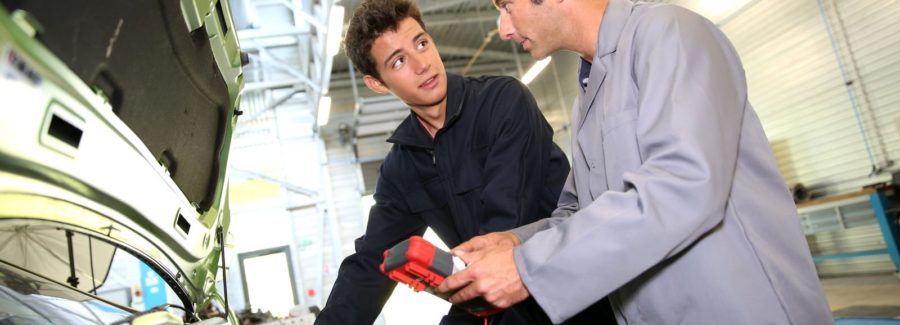
Before you can even file a damage claim on your personal car insurance policy, you need to be sure that you understand what type of coverage is required.
If you do not carry the right coverage on your own insurance, it is possible that you will never even see a payout for those dents, scrapes or dings.
Here is a breakdown of the types of coverage and what scenarios they may pay in:
— Comprehensive:
Comprehensive is a form of physical damage coverage that will pay for specific repairs to the covered vehicle.
This type of coverage pays for losses that are caused specifically by perils such as:
- Fire
- Theft
- Vandalism
- Falling objects
- Explosions
The only time comprehensive pays when a car is being driven is when you collide with a live animal. Without comprehensive, repair bills will turn into out-of-pocket expenses for any of the types of claims above.
— Collision:
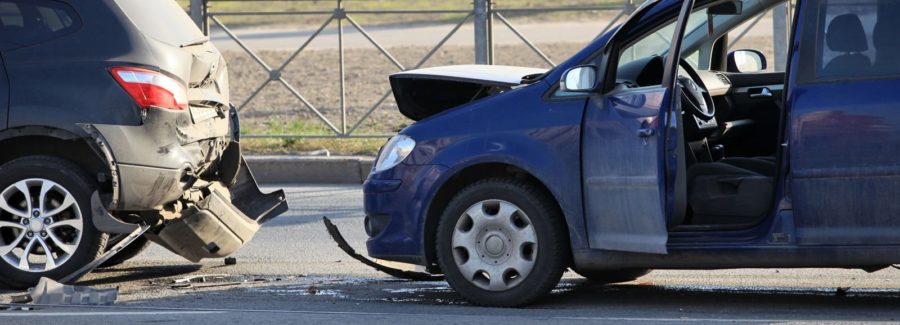
Collision is the second form of physical damage coverage that pays when your vehicle collides with any other object.
It is most commonly used when you are at fault in an accident, but can also be used to pay when you are not at fault and the other party does not have coverage.
In order for either collision or comprehensive to be used, damage must exceed your deductible.
The deductible amount will be subtracted from your payout disbursement.
Read more: Does car insurance cover non-accident repairs?
— Uninsured Motorist Property Damage:
Comprehensive and collision are often the only two types of damage coverage that are focused on, but you may also purchase Uninsured Motorist Property Damage (UMPD) to cover a vehicle that does not hold much value.
UMPD will pay for your damage repairs on a vehicle without collision.
The maximum payout is $3500 and the accident must have been with a driver who did not have liability insurance.
If you are hit by an uninsured driver, having UMPD helps you recover without paying for thousands of dollars of repairs without any help.
Read more: Do I have to use the car insurance payout to fix my car?
Free Insurance Comparison
Compare Quotes From Top Companies and Save
When is cashing a repair check an option?
Some companies issue payment that essentially reimburses the policyholder for their damages and others will pay the repair facility directly.
If you have strictly cosmetic damage that is not affecting the mechanical operations of your claim, repairs might not be a priority. You might want to take the money to catch up on bills, go on a vacation, or put away for a rainy day.
Whether or not taking the cash following a claims payout is an option depends upon how your carrier handles a claim and what is written into the contract.
Here are some things that you can look for:
— Claims Payouts are Made Direct to the Repair Facility
Some companies have affiliate repair shops and partner programs where you are required to do business with a specific facility to keep rates low. (For more information, read our “Should I use the auto body shop my car insurance company recommends?“)
If you are with a carrier that pays directly to the repair shop that they recommend, you will not see a check.
Remember, you do not have to go to preferred shop if it is not in your contract. This could help you avoid any direct payment problems.
Read more:
— Claims Payout is Made to Your Lender
If your vehicle is financed or leased, the insurer will more than likely issue the claims repair check to the loss payee and not directly to you.
The check then must be signed by the company before it can be cashed. The lender may write a check directly to a shop so that you are required to do repairs to their asset.
Are there issues with opting to cash a repair check?
You should be aware of the issues before you make the choice to live with that unsightly dent.
Here are some of the challenges that could appear later down the line:
- You may be in violation of your loan contract if you opt not to report or repair damage when the vehicle is financed
- Failing to repair damage could reduce the value of your car if you file another claim because of the pre-existing damage
- Your company may question further damage if you have another loss
- You may not have the option to keep physical damage on your policy
You really need to consider the pros and the cons of using the money for something other than a damage claim.
The money may help, but there might be some unexpected issues that you would have never expected when you made the decision to live with the scrapes and dents.
If you are not happy with your insurer, it is time to shop around. Use an online quoting tool, compare the costs, and then you can switch to a company with better claims practices.
Start comparing car insurance prices now by entering your zip code in our FREE tool below!
Case Studies: Utilizing Insurance Coverage for Car Repairs
Case Study 1: Comprehensive Coverage
John owns a car with comprehensive coverage. One day, while parked outside his house, a severe hailstorm causes significant damage to his vehicle, including dents and broken windows. John files a claim with his insurance company and is able to receive the insurance money to cover the repairs.
He takes his car to an authorized repair shop recommended by the insurer, and they fix all the damages caused by the hailstorm. Thanks to his comprehensive coverage, John doesn’t have to bear the financial burden of repairing his car out of pocket.
Case Study 2: Collision Coverage
Sarah is involved in an accident where she is at fault. Her car collides with another vehicle, resulting in extensive damage to both cars. Sarah has collision coverage as part of her insurance policy. She contacts her insurance company, files a claim, and provides the necessary information about the accident. The insurance company assesses the damage and determines that the repair costs exceed Sarah’s deductible.
As a result, Sarah receives the insurance money to cover the repairs. She takes her car to a repair shop of her choice, and the insurance money helps her get her car fixed without incurring a significant financial burden.
Case Study 3: Uninsured Motorist Property Damage Coverage
Mark’s car is hit by an uninsured driver while parked outside his workplace. The collision causes significant damage to Mark’s vehicle. Luckily, Mark had previously added uninsured motorist property damage coverage to his policy. He files a claim with his insurance company, providing all the necessary details and evidence of the accident.
Since the other driver doesn’t have liability insurance, Mark’s insurance company approves the claim and provides him with the insurance money to cover the repairs. Mark chooses a reputable repair shop and gets his car fixed using the insurance funds, avoiding the need to pay for the damages himself.
Frequently Asked Questions
Will filing a claim for repairs affect my insurance rates?
Filing a claim may impact rates, especially if you’re at fault. Factors beyond your control or accident forgiveness coverage may prevent rate increases. Check with your insurance company for their specific policy on rate adjustments.
Using insurance money for non-repair purposes and later deciding to fix the car?
If you use the money for other purposes, you’re typically responsible for covering repair costs out of pocket.
What if the repair cost exceeds the car’s ACV?
If repair costs surpass the car’s ACV, the insurer may declare it a total loss and offer a settlement based on the ACV.
Can I choose any repair shop to fix my car?
Most insurance policies allow you to choose any repair shop. Preferred shops may offer benefits, but you’re not obligated to use them.
Will my insurance company cover the full cost of repairs?
Insurance coverage for repairs depends on your policy’s terms. Typically, coverage is up to the actual cash value (ACV) or repair cost minus the deductible, whichever is lower.
When is cashing a repair check an option?
Whether cashing a repair check is an option depends on how your insurance carrier handles claims and what is specified in your contract.
Related Articles



Get a FREE Quote in Minutes
Insurance rates change constantly — we help you stay ahead by making it easy to compare top options and save.