

Does lowering a car affect car insurance rates?
Lowering a car affects car insurance rates because insurance companies will consider you a high risk driver and increase your rates. Compare car insurance rates online to find affordable insurance.
Read more Secured with SHA-256 Encryption






Table of Contents
Table of Contents

Licensed Insurance Agent
Justin Wright has been a licensed insurance broker for over 9 years. After graduating from Southeastern Seminary with a Masters in Philosophy, Justin started his career as a professor, teaching Philosophy and Ethics. Later, Justin obtained both his Property & Casualty license and his Life and Health license and began working for State Farm and Allstate. In 2020, Justin began working as an i...
Justin Wright

Licensed Insurance Agent & Agency Owner
Tracey L. Wells is a licensed insurance agent and Farmers insurance agency owner with 23 years of experience. He is proud to be a local Farmers agent serving Grayson, Georgia and surrounding areas. With experience as both an underwriter and agent, he provides his customers with insight that others agents may not have. His agency offers all lines of insurance including home, life, auto, RV, busi...
Tracey L. Wells
Updated March 2024
- Insurance companies will learn about your car being lowered
- Lowering a car puts you at higher risk of being in an accident
- Premiums could go up because of being higher risk
What does lowering a car mean?
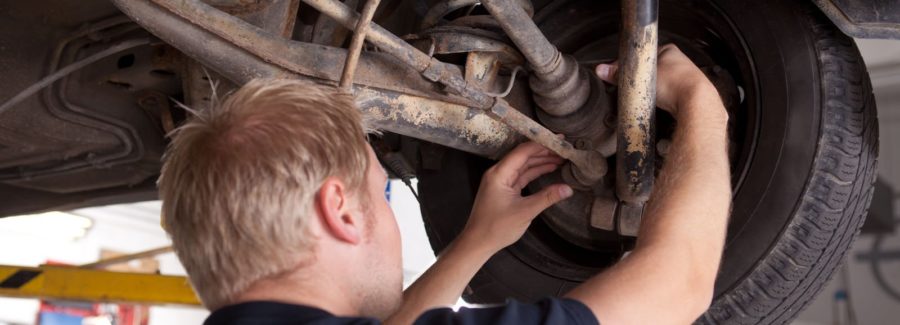
Lowering a car involves having it sit lower than it does right out of the factory. It’s possible to lower a car by replacing individual parts or by buying a kit. You might shorten the coil springs, adjust the torsion bar key, or even bend the leaf springs.Does lowering a car make it faster? Yes, your car accelerate faster and stop quickly. But when you lower a car, you put the car at risk for various problems. Such problems include:
- Making it hard to clear road obstacles
- Bottoming out in a driveway
- Reduced traction
- Steering problems
You need to be aware of all of the potential problems when you lower your car. Plenty of people choose to lower their car despite the problems because of the benefits. These benefits include making the car more aerodynamic, improving fuel mileage, and reducing the rollover risk.
If you’re going to move forward with lowering a car, you have to look at the various problems and realize that insurance might consider you to be a higher risk.
You are at a higher risk of being in an accident. Additionally, your car is sportier looking and therefore you are often at a higher risk of having your car stolen because modifications are highly desirable in the aftermarket.
Free Insurance Comparison
Compare Quotes From Top Companies and Save
Secured with SHA-256 Encryption
Understand the Exclusions in Your Policy
All insurance companies have exclusions written in the fine print. One of the exclusions you have to look at is “racing parts.”The problem is that racing parts are not always well-defined. You might need to get a full definition of what these parts entail as they could include a supercharger, a tachometer, and even a lowering kit.If there are exclusions that include lowering your car, then damages would not be covered.The cost of repair would be minus the springs and such that led to the lowering of your car and would be your financial responsibility to replace.
How will the insurance company know about the modifications?

If you don’t tell the insurance company that you have lowered your car, they’ll never know, right? Wrong. If you have the work done at a professional garage, the garage might have access to a system where they enter the work under your VIN. Entering information into the system would create a record that you have aftermarket parts on the car. If you do the work on your own, insurance won’t find out until you get into an accident. Once the adjuster starts to assess the damage, they will see that you have lowered your car. Depending on any exclusions set in your policy, it will also affect how they handle the insurance claim.
Read more: Does having a garage lower the cost of car insurance?
Get the Needed Coverage
You need to have coverage on your policy, which is based on state minimums. You can then have additional coverage to include:
- Higher liability levels
- Personal injury protection
- Comprehensive
- Collision
- Uninsured motorist
You also have to look at whether the insurance company is going to cover the full value of your car. Most of the time, insurance companies pay based on the depreciated value of your car.
When you add aftermarket parts, the value of your car goes up. However, insurance doesn’t usually calculate these parts into what they will pay for in repairs or a total loss.
You could then be paying out-of-pocket for the parts to lower your car or you could add more coverage. It’s helpful to work with an agent to get help on finding the right coverage for your car. It would allow you to have the right coverage on your policy and protect your car since it is lowered.Before you choose to lower your car, it’s important to look at the ways it will affect your auto insurance. Premiums might go up because you’re at a higher risk of being in an accident.Further, when filing a claim, the insurance company might not pay for everything because of adding aftermarket parts to your car.Compare car insurance quotes right here to find the coverage you need at the best rate possible!
Free Insurance Comparison
Compare Quotes From Top Companies and Save
Secured with SHA-256 Encryption
Case Studies: Impact of Lowering a Car on Car Insurance Rates
Case Study 1: John’s Lowered Sports Car
John decided to lower his sports car to improve its performance and appearance. However, when he contacted his car insurance company to inform them about the modification, his rates increased significantly. The insurance company considered John a higher risk driver due to the aftermarket alteration, resulting in higher premiums.
Case Study 2: Sarah’s Modified Sedan
Sarah chose to lower her sedan to achieve better fuel mileage and a more aerodynamic design. Despite the benefits, her car insurance rates also went up. The insurance company perceived the modification as an increased risk factor for accidents and theft, leading to an adjustment in her premiums.
Case Study 3: Mark’s Lowered Hatchback
Mark lowered his hatchback to enhance its handling and overall performance. However, he didn’t inform his insurance company about the modification. Unfortunately, Mark got into an accident, and during the claims process, the adjuster discovered the alteration. As a result, his insurance claim was affected, and he had to cover the expenses of repairing the modified parts himself.

Frequently Asked Questions
What does it mean to “lower” a car?
Lowering a car refers to modifying its suspension system to reduce the distance between the vehicle’s body and the ground. This modification is typically done to improve aesthetics or enhance the car’s handling and performance.
Does lowering a car have any impact on car insurance rates?
Yes, lowering a car can potentially affect car insurance rates. However, the impact may vary depending on the insurance company and various other factors.
How does lowering a car affect car insurance rates?
Lowering a car can impact insurance rates in a couple of ways. Firstly, it may be considered a modification to the vehicle, and some insurers may classify it as a “customization” or “aftermarket alteration.” Such modifications can lead to higher insurance premiums because they may increase the cost of repairs or the likelihood of theft.
Will my insurance rates automatically increase if I lower my car?
Not necessarily. Insurance companies have different policies and rating systems when it comes to modifications. Some insurers may not consider lowering a car to be a significant factor that affects rates, while others may have specific rules or guidelines regarding lowered vehicles.
What should I do if I plan to lower my car or have already lowered it?
If you plan to lower your car or have already done so, it’s essential to inform your insurance company about the modification. Contact your insurer and provide them with accurate details about the modification. This will ensure that your policy remains valid and that you have the appropriate coverage.
Related Articles




Get a FREE Quote in Minutes
Insurance rates change constantly — we help you stay ahead by making it easy to compare top options and save.
Secured with SHA-256 Encryption