

What do I do if my car got rear ended?
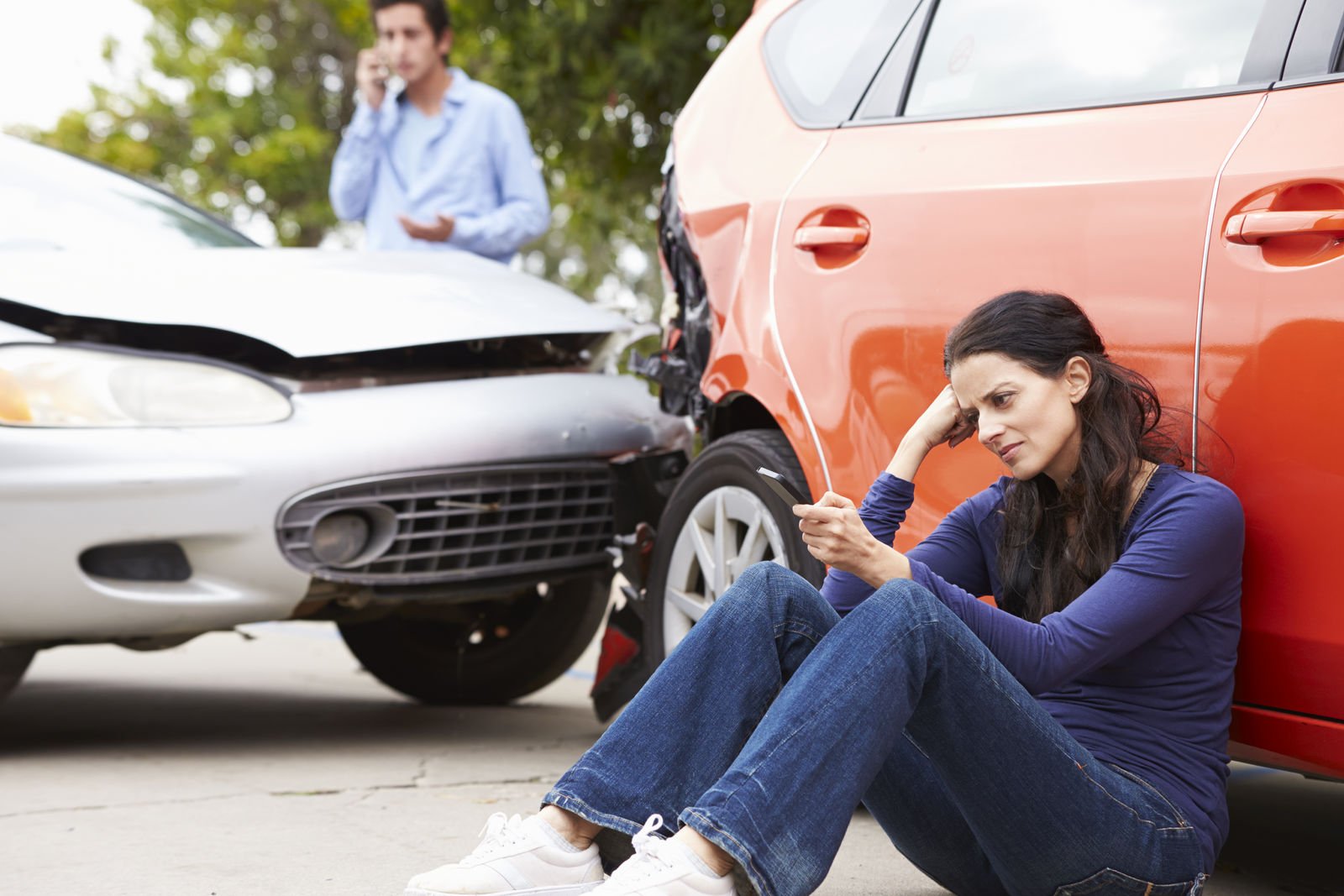
If your car gets rear-ended you should make a report to your insurance company, file a police report, and write down detailed information regarding the accident.
 Secured with SHA-256 Encryption






Table of Contents
Table of Contents

Feature Writer
Rachel Bodine graduated from college with a BA in English. She has since worked as a Feature Writer in the insurance industry and gained a deep knowledge of state and countrywide insurance laws and rates. Her research and writing focus on helping readers understand their insurance coverage and how to find savings. Her expert advice on insurance has been featured on sites like PhotoEnforced, All...
Rachel Bodine

Licensed Insurance Producer
Dani Best has been a licensed insurance producer for nearly 10 years. Dani began her insurance career in a sales role with State Farm in 2014. During her time in sales, she graduated with her Bachelors in Psychology from Capella University and is currently earning her Masters in Marriage and Family Therapy. Since 2014, Dani has held and maintains licenses in Life, Disability, Property, and Casualt...
Dani Best
Updated November 2023
- If you are rear-ended you should report it to your insurance company even if it seems minor
- Some car problems don’t show up right away but will show themselves down the road
- It’s a good idea to file a police report as well because things could be worse than they appear at first
- If the other driver leaves the scene, write down important information and give it to the police
If you are rear-ended in a car accident, it is important that you exchange car insurance information with the person who rear-ended you even if you don’t notice any immediate damage to your vehicle.
Don’t allow the other person in the accident to convince you that you don’t need to file a report with the insurance company, even if they offer to pay cash for your damage.
The reason you must exchange car insurance information is that there is always the possibility that you could have an injury that doesn’t present itself right away.
In addition, there may be more damage to your vehicle than is immediately noticeable and you don’t want to have to foot the bill for that.
If you don’t get the other driver’s information, there is always the possibility that if you have an accident in the future, the adjuster will notice that you have prior damage to your car. If this is the case, the insurance company can refuse to pay for damage that occurred in a previous accident.
Enter your ZIP code above and compare car insurance rates online right now for FREE!
#1 – When in Doubt, Call the Police if Your Car Gets Rear-Ended
You’ve just been rear-ended on the road. Now, what should you do? The laws vary in each state, but in most cases, there are allowances for not calling the police. The general rule is that you don’t have to call the police if there are no injuries and there appears to be no damage over the specified amount of money.
The table below shows the damage cost threshold and the deadline for filing a police report in each state.
| State | Damage Threshold | Deadline |
|---|---|---|
| Alabama | $500 (from uninsured motorist) | 30 days |
| Alaska | $2,000 | 10 days |
| Arizona | $300 | N/A |
| Arkansas | $1000 | 30 days |
| California | $1000 | 10 days |
| Colorado | Any damage | 10 days |
| Connecticut | $1000 | 5 days |
| Delaware | $500 | Immediately |
| Florida | $500 | As soon as possible |
| Georgia | $500 | Immediately |
| Hawaii | $3000 | Immediately |
| Idaho | $1500 | Immediately |
| Illinois | $1500 ($500 when involving an uninsured motorist) | 10 days |
| Indiana | $750 | Immediately |
| Iowa | $1500 | 3 days |
| Kansas | $1500 | Immediately |
| Kentucky | $500 | 10 days |
| Louisiana | $500 | 1 day |
| Maine | $1000 | Immediately |
| Maryland | N/A | 15 days |
| Massachusetts | $1000 | 5 days |
| Michigan | $1000 | Immediately |
| Minnesota | $1000 | 10 days |
| Mississippi | $500 | 10 days |
| Missouri | $500 | 5 days |
| Montana | $1000 | Immediately |
| Nebraska | $1000 | 10 days |
| Nevada | All crashes | Immediately |
| New Hampshire | $1000 | 15 days |
| New Jersey | $500 | Immediately |
| New Mexico | $500 | Immediately |
| New York | $1000 | 10 days |
| North Carolina | $1000 | Immediately |
| North Dakota | $1000 (except crashes with undomesticated animals are not required to be reported) | Immediately |
| Ohio | All crashes | Immediately |
| Oklahoma | $500 | 6 months |
| Oregon | $1500 | 72 hours |
| Pennsylvania | When vehicle is disabled | 5 days |
| Rhode Island | $1000 | 21 days |
| South Carolina | $1000 | 15 days |
| South Dakota | $1000 for one party or $2000 total per accident | Immediately |
| Tennessee | $50 | Immediately (property damage in excess of $400 must be reported in writing within 20 days) |
| Texas | $1000 | Reported in writing within 10 days |
| Utah | $1000 | 10 days |
| Vermont | $3000 | 3 days |
| Virginia | $1000 | N/A |
| Washington | $700 | 4 days |
| West Virgina | $1000 | Immediately |
| Wisconsin | $1000 ($200 for government property) | 1 day |
| Wyoming | $1000 | Immediately |
The problem is there is no guarantee that the damage that has occurred won’t be higher than what you imagine. Cars cost a lot of money to fix. A bumper replacement can easily cost over $1000, so if in doubt, make a police report.
You might think that a damaged bumper and scratched paint is a $300 problem when, in truth, it could very well be a $1200 problem depending on the type of car and the availability of parts and paint.
And even if you have 10 days or more to legally file a report, you’re better off calling the police right away.
What’s more, your insurance company always wants you to call the police after an accident. This helps to corroborate that the accident was not your fault and also provides an additional witness at the scene.
If the cost of the damage is higher than initially thought, not having a police report could slow down the claims process, as the claims adjuster will need to investigate and ensure that no further damage occurred after the accident.
What’s more, the adjuster could determine that you aren’t eligible for a payout at all.
Free Insurance Comparison
Compare Quotes From Top Companies and Save
Secured with SHA-256 Encryption
#2 – Eyewitness Statements Aren’t Crucial If Your Car Gets Rear-Ended
The truth is that in most cases a car being rear-ended is a cut-and-dry case for the police. Your car is hit in the back, so there is no denying what has happened.
Even if the other driver claims that you stopped short and caused the accident, you will be found not at fault.
The reason for this is that every state actually has laws about how close you should be to another vehicle while driving. This space varies from one car length to three car lengths.
This following distance provides the opportunity for a driver to stop should the driver in front of them stop short for some reason.
Now, if there are witnesses at the scene, it may be important to show you stopped quickly because there was an obstacle or a danger present.
Overall, however, the police don’t require this information and neither does the insurance company, especially when the other driver is found to be at fault.
#3 – Write Down as Much Information as Possible if the Other Driver Leaves the Scene
If the at-fault driver doesn’t want to provide their insurance information and insists on paying outright for the accident, then you must call the police and let them handle it for you.
While it isn’t illegal to simply accept payment for an accident, once you do this, you have no recourse if there are other problems in the future.
If you do call the police for a minor accident, you can expect that there is going to be a wait time, especially if the accident occurs during high traffic times where many accidents occur.
If the other driver leaves the scene, simply write down the following:
- their license plate number
- the make and model of the car
- any descriptive information that you can remember
Provide the above information to the police.
If the other driver leaves and the police cannot find them based on the information that you have provided, then your insurance company may pay for the damages to your vehicle if you carry the right kind of insurance.
In this case, collision coverage would be necessary to pay for damages to your car.
#4 – What if you’ve rear-ended someone else?
What if the situation is reversed and you’ve rear-ended someone else? What if you’ve rear-ended a cop?
These situations are not much different than someone rear-ending you. You must follow the same steps and procedures, and you should notify your insurance company. In the event that the car you rear-ended was a police car, you should expect that to be present at the scene for a bit of time. The officer will have to call in and report the incident, and other officers will be dispatched to the scene to investigate what happened.
If you’ve been at fault in the accident, your insurance rates will likely go up.
At the end of the day, we know that your car is one of the most valuable assets you have in your possession. We encourage you to take the appropriate steps to protect yourself and your car in the event of an accident.
You can compare car insurance rates right now by entering your ZIP code below!
Free Insurance Comparison
Compare Quotes From Top Companies and Save
Secured with SHA-256 Encryption
Case Studies: What to Do if Your Car Got Rear-Ended?
Case Study 1: Reporting the Accident
Sarah’s car was rear-ended while waiting at a stop sign. Even though there were no apparent injuries or significant damage, Sarah decided to call the police and file a report. She exchanged insurance information with the other driver and documented the incident.
A few days later, Sarah discovered hidden damage to her car that would have gone unnoticed without a police report. Thanks to her proactive approach, Sarah was able to file a claim and get the necessary repairs covered by her insurance.
Case Study 2: Exchanging Information
Michael’s car was rear-ended in heavy traffic. Although the other driver initially offered to pay for the damage without involving insurance, Michael insisted on exchanging insurance information. He recognized the importance of having a record of the incident and protecting himself from potential future disputes.
A few weeks later, Michael received a notice from the other driver’s insurance company claiming that he was at fault for the accident. Luckily, Michael had all the necessary documentation and was able to refute the claim based on the evidence he gathered at the scene.
Case Study 3: Rear-Ending a Police Car
David accidentally rear-ended a police car while distracted behind the wheel. He immediately called the police to report the accident and notified his insurance company. The police arrived at the scene and documented the incident, including any visible damage to both vehicles.
Although David was found at fault for the accident, having a police report helped expedite the claims process and ensured a fair evaluation of the damages. David’s insurance rates increased as a result, but he learned the importance of staying focused while driving and taking appropriate action after an accident.
Frequently Asked Questions
What should I do if my car gets rear-ended?
If your car gets rear-ended, you should take the following steps:
- Make a report to your insurance company.
- File a police report.
- Write down detailed information regarding the accident.
Do I need to file a police report if there are no injuries or significant damage?
While the laws vary by state, it is generally recommended to call the police and file a report, even if there are no apparent injuries or significant damage. There may be hidden damage to your vehicle, and having a police report can help expedite the claims process.
Is it necessary to exchange car insurance information with the other driver in a rear-end collision?
Yes, it is important to exchange car insurance information with the other driver involved in a rear-end collision. This ensures that you have the necessary details for filing a claim and helps protect you in case of future accidents or disputes.
What should I do if the other driver leaves the scene after a rear-end collision?
If the other driver leaves the scene, you should:
- Write down as much information as possible, including the license plate number, make, and model of the other vehicle.
- Call the police and provide them with the information.
- Notify your insurance company and inform them about the situation.
What should I do if I rear-end someone else, including a police car?
If you rear-end someone else, including a police car, you should:
- Follow the same steps as in any other rear-end collision: make sure everyone is safe, call the police, and exchange insurance information.
- Expect the presence of the police at the scene for investigation.
- Notify your insurance company about the accident, as your rates may increase as a result.
Related Articles




Get a FREE Quote in Minutes
Insurance rates change constantly — we help you stay ahead by making it easy to compare top options and save.
Secured with SHA-256 Encryption